
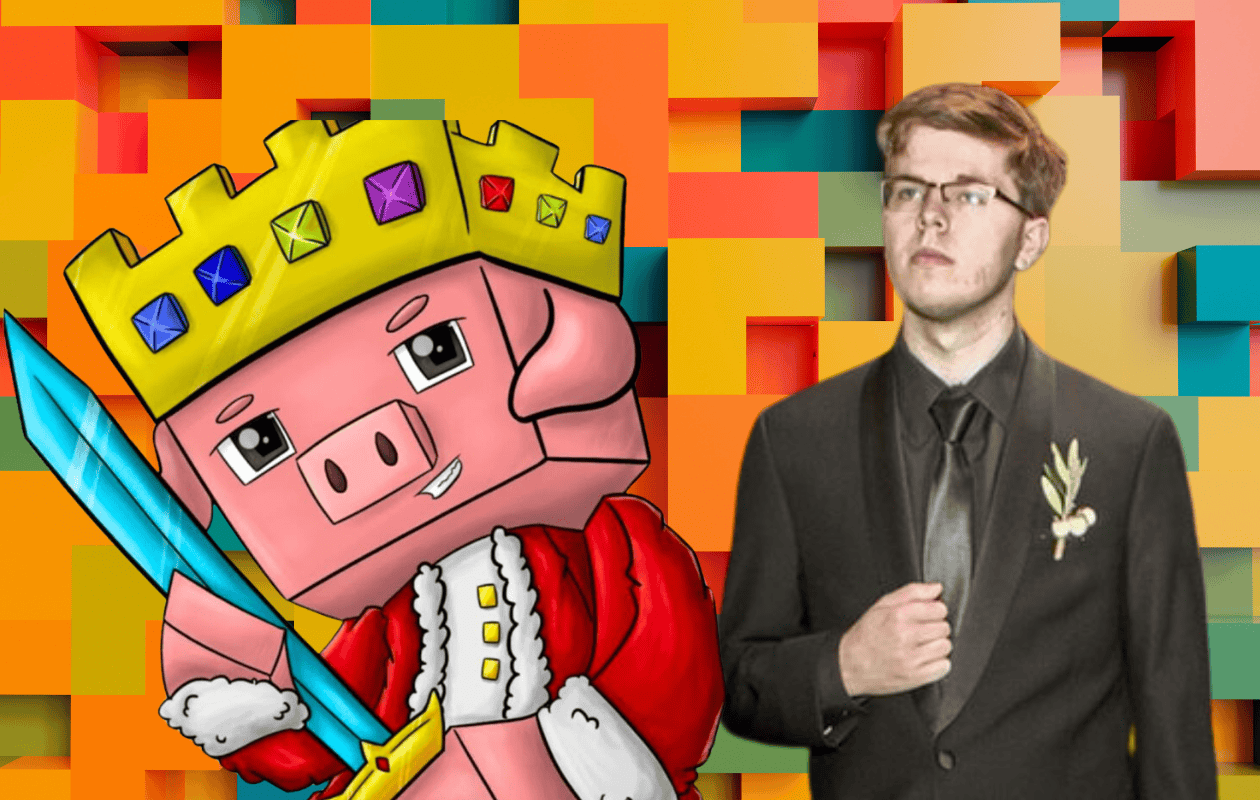
Technoblade Shop Secrets: How the YouTuber Built a Legend
When Technoblade first mentioned his own merch line, fans didn’t just see a simple for‑the‑fans store – they saw a blueprint for turning internet fame into a lasting brand. The Technoblade Shop quickly became a cultural touchstone, blending clever design, community‑driven hype, and a dash of gaming mystique. By dissecting how the YouTuber built this legend, creators can uncover practical tactics that go beyond “just sell a shirt.” Let’s dive into the secrets behind the rise of the Technoblade Shop and why it still dominates the merch arena.
The Birth of Technoblade Shop: From Idea to Icon
The origin story began with a simple promise: deliver gear that felt as unique as Technoblade’s gameplay. Early sketches were drawn on a laptop, influenced by the vibrant colors of Minecraft biomes and the unmistakable humor that fans adored. Instead of mass‑producing generic tees, the first drop featured a “Blood God” emblem that echoed a recurring in‑game joke. This intentional alignment with the creator’s personality set a tone that resonated instantly.
Beyond aesthetics, the launch strategy leaned on scarcity. Only a few hundred items were printed, creating a “gotta‑be‑there” feeling. Fans rushed to the checkout, and the sudden sell‑out generated organic buzz across Discord, Twitter, and Reddit. The scarcity model proved that limited supply, paired with strong branding, could spark a frenzy without a massive advertising budget.
Branding and Community Engagement
Every piece of merch tells a story, and the Technoblade Shop’s narrative was co‑crafted with its audience. Polls on community channels let fans vote on color palettes, while inside jokes were turned into graphic Easter eggs. This collaborative approach turned passive viewers into active contributors, fostering a sense of ownership that traditional retail rarely achieves.
To keep the conversation alive, the store’s social feed featured behind‑the‑scenes clips of product design, sneak peeks of upcoming drops, and thank‑you messages from Technoblade himself. By consistently rewarding engagement, the merch line stayed top‑of‑mind, and the community felt appreciated rather than merely targeted.
Product Strategy and Limited Drops
Variety was key, but the core principle remained focused: each item had to reflect Technoblade’s brand identity. The catalog ranged from hoodies emblazoned with signature catchphrases to enamel pins shaped like his favorite sword. Yet, new designs never flooded the market; they appeared in carefully timed “drops” that coincided with major milestones – a video anniversary, a charity livestream, or a game update.
This cadence created a predictable rhythm that fans could anticipate. When a new drop was announced, excitement built up like a boss fight timer, and the resulting spike in traffic translated to measurable sales peaks. Importantly, the limited nature also helped maintain product value, preventing the merch from becoming a disposable commodity.
Marketing Tactics that Turned a Store into a Legend
While organic hype carried the early waves, strategic marketing amplified the reach. Targeted ads on platforms frequented by the Minecraft community highlighted the most popular items, using short clips of Technoblade wearing the gear in‑game. Influencer partnerships with fellow creators added credibility, as they showcased the merch during collaborative streams.
Another clever tactic was the “bundle quest.” Fans could unlock exclusive bundles by completing challenges within Technoblade’s videos – like spotting a hidden logo or achieving a certain score in a mini‑game. This gamified shopping experience merged content consumption with purchasing, turning viewers into active participants and driving higher average order values.
Lessons for Aspiring Creators
First, authenticity beats generic branding. Align every design element with the creator’s voice, and fans will sense the sincerity. Second, scarcity creates urgency; limited runs encourage quick purchases and social sharing. Third, involve the community from the start – polls, feedback loops, and behind‑the‑scenes content build loyalty that lasts beyond a single purchase.
Finally, treat the merch store as an extension of the content ecosystem, not a separate sales channel. When product releases sync with video milestones, livestreams, or community events, the store becomes a natural chapter in the creator’s story. The Technoblade Shop exemplifies how this integrated approach can turn a simple storefront into a legendary brand that fans proudly wear.


