
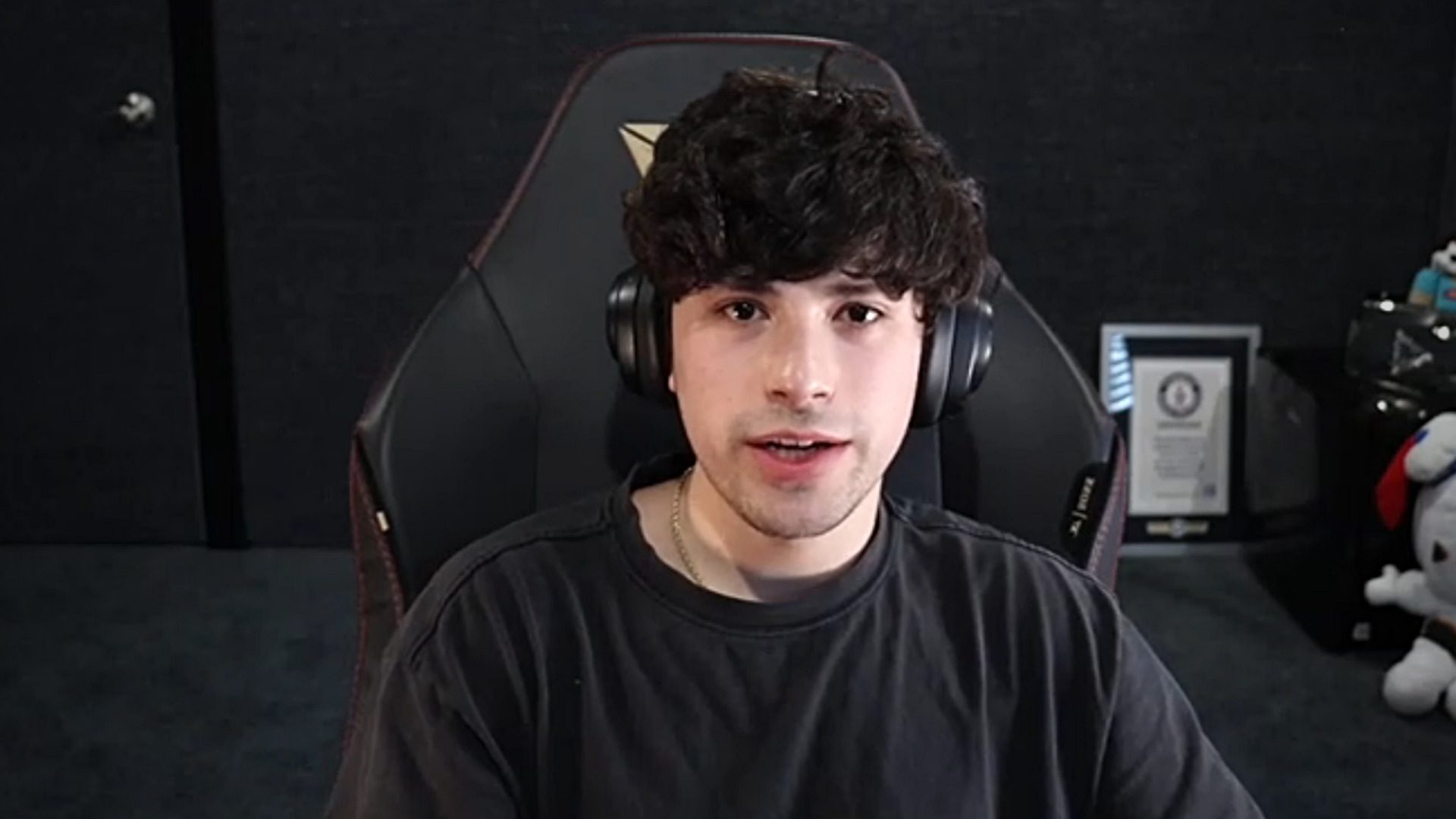
George Not Found Shop: How the YouTuber Built a Merch Empire
When the Minecraft‑loving YouTuber George Not Found decided to turn his growing fan base into a tangible brand, the result was a vibrant online store that quickly became a cultural touchstone for his community. The George Not Found Shop didn't just sell apparel; it offered fans a way to wear their admiration, creating a sense of belonging that propelled the merch line from a side project to a full‑blown empire. In this post, we’ll explore the key steps he took, the creative choices that resonated with his audience, and the business tactics that turned a simple idea into a thriving merchandise operation.
George Not Found Shop: The Launch Strategy
Launching any product line is risky, but the YouTuber leveraged his existing platform to minimize that risk. He announced the store during a live stream, giving viewers an exclusive first‑look at the designs. This live reveal generated immediate buzz, as thousands of fans tuned in and shared the news across social media. By offering a limited‑time discount to his subscribers, he turned curiosity into quick sales, which in turn created social proof—customers posting unboxing videos and wearing the gear in their own content. The initial inventory was modest, allowing him to test demand without overcommitting resources, and the success of that first drop set the stage for larger releases.
Design Philosophy and Community Input
The visual identity of the George Not Found Shop is rooted in the creator’s personality: playful, slightly chaotic, and always meme‑savvy. To keep designs authentic, George involved his fans in the creative process. He posted polls asking the community to choose between color palettes, slogans, and even specific graphic elements. This crowdsourced approach ensured each item felt personal, turning buyers into co‑creators. The result was a collection that featured inside jokes from his streams, iconic catchphrases, and stylized avatars that only true fans would recognize. By aligning the product aesthetics with his brand’s humor, the merch quickly became a badge of community membership.
Marketing Tactics That Drove Sales
Beyond the initial launch, the YouTuber employed a multi‑channel marketing plan that kept momentum alive. Each new drop was teased through short TikTok clips, Instagram stories, and Discord announcements, creating a sense of anticipation. He also partnered with fellow creators for cross‑promotions, sending them exclusive items to wear in their own videos. These collaborations exposed the George Not Found Shop to new audiences while reinforcing the authenticity of the brand. Seasonal sales—such as limited‑edition holiday designs—added urgency, encouraging fans to purchase before items sold out. In addition, a well‑structured email newsletter reminded subscribers of upcoming releases and offered sneak previews, driving repeat traffic to the store.
Scaling the Merch Empire and Future Plans
After several successful releases, the operation outgrew its initial print‑on‑demand setup. To handle larger volumes and improve profit margins, George shifted to a hybrid model that combined on‑demand items with bulk‑produced basics. He invested in a dedicated fulfillment partner capable of handling worldwide shipping, reducing delivery times and expanding his reach to international fans. The brand also diversified its catalog, adding accessories like phone cases, backpacks, and limited‑edition collectibles. Looking ahead, the YouTuber plans to explore collaborations with game developers for official licensed gear and to launch a subscription box that delivers exclusive merch quarterly. With a solid foundation and a loyal community, the George Not Found Shop is poised to remain a leading example of how creators can transform passion into a sustainable business.
In summary, the journey of the George Not Found Shop illustrates that a deep connection with an audience, strategic product launches, and savvy marketing can turn a simple merch line into a lucrative empire. By listening to fans, maintaining authenticity, and continuously expanding the product range, the YouTuber has built a brand that not only generates revenue but also strengthens the community that supports him. Aspiring creators looking to replicate this success would do well to study these tactics and adapt them to their own unique voice and audience.


