
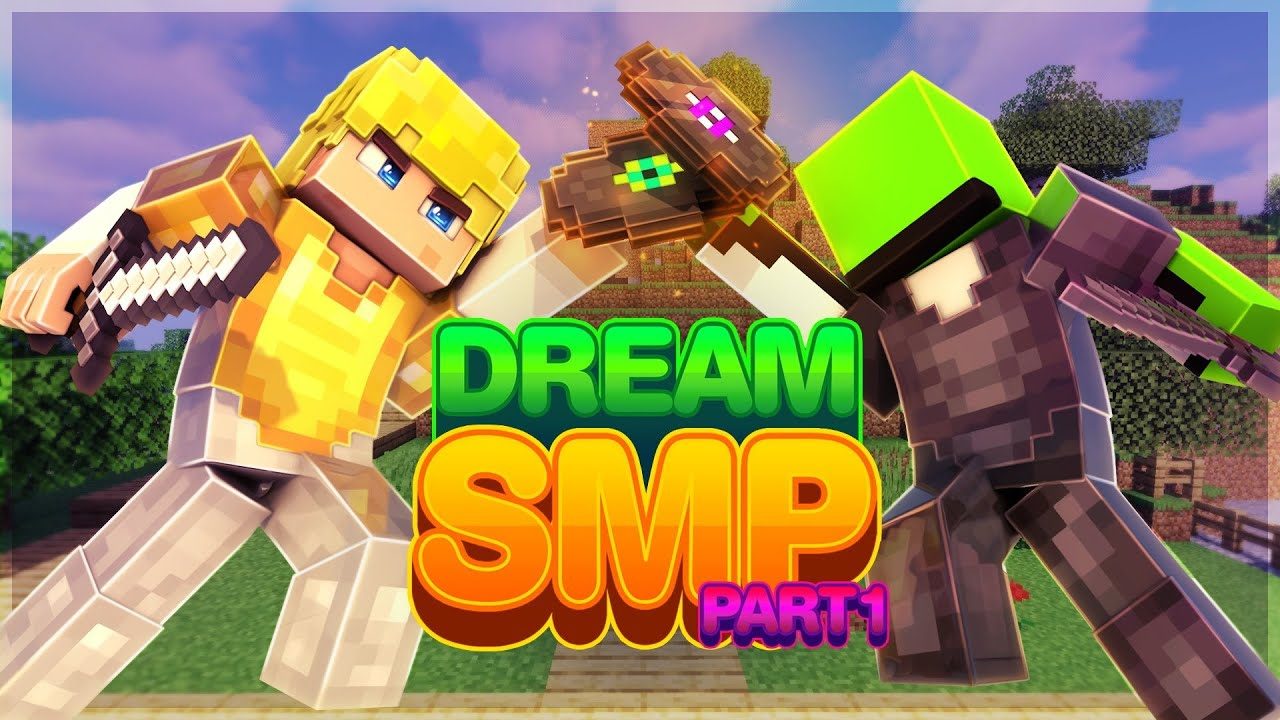
Dream SMP Merchandise: YouTubers Turning Fan Craze into Cash
When the Dream SMP saga exploded across Minecraft communities, it wasn’t just the storylines that captured attention—it was the flood of merch that turned fandom into a booming business. YouTubers behind the server quickly realized that their dedicated audiences were hungry for tangible pieces of the adventure. From hoodies bearing iconic catchphrases to limited‑edition pins featuring beloved characters, the surge of Dream Smp Merchandise has become a blueprint for creators looking to monetize passion without feeling salesy. This post explores how content creators transform fan craze into cash, and why the model works so well.
Why Dream Smp Merchandise Is a Goldmine for YouTubers
The first reason the merch model thrives is the built‑in loyalty of the Dream SMP fanbase. Viewers spend hours watching streams, dissecting story arcs, and discussing inside jokes. That emotional investment creates a natural demand for memorabilia that lets fans display their affiliation. For creators, each piece of merchandise becomes an extension of their brand, reinforcing identity and deepening community ties. Moreover, the profit margins on apparel, accessories, and digital collectibles are often high, especially when production is handled through dropshipping or print‑on‑demand services. This means creators can earn substantial revenue with relatively low upfront costs.
Another advantage is the viral nature of the server’s content. A single meme or clip can generate thousands of impressions, instantly turning a design idea into a trending product. When a popular YouTuber showcases a new hoodie during a livestream, the audience’s impulse to purchase spikes dramatically. The result is a rapid sales cycle that aligns perfectly with the fast‑paced world of online entertainment.
The Creative Process: From Fan Art to Official Products
Turning a fan’s doodle into a sellable item starts with collaboration. Many Dream SMP creators invite their community to submit artwork, slogans, or design concepts. This crowdsourced approach not only yields fresh ideas but also gives fans a sense of ownership. Once a design is selected, creators work with graphic designers to refine it for print, ensuring that logos, colors, and typography meet brand standards.
Quality control is crucial. Before launching, prototypes are reviewed for durability and visual appeal. High‑quality merch reinforces credibility; low‑quality items can damage a creator’s reputation and erode trust. By investing in reliable manufacturers—often located in regions with efficient production pipelines—creators can guarantee that every piece meets fan expectations.
Marketing Strategies That Turn Craze Into Cash
Effective promotion hinges on timing and platform synergy. Creators typically announce upcoming drops during high‑traffic moments, such as the release of a new episode or a major in‑game event. Social media teasers, countdown timers, and limited‑edition tags create urgency, prompting fans to act quickly. Influencer collaborations further amplify reach; a single shout‑out from a fellow Dream SMP member can drive thousands of sales in minutes.
Another powerful tactic is bundling. Offering a hoodie alongside a signed poster or an exclusive digital skin incentivizes higher spend per customer. Email newsletters and Discord announcements keep the community informed about restocks, preventing missed opportunities. Finally, transparent communication about shipping timelines and inventory levels builds trust, reducing the frustration that can arise from sold‑out items.
Future Trends and What Fans Can Expect
As the Dream SMP universe expands, so does the potential for new merchandise categories. Interactive products—like AR‑enabled cards that unlock in‑game rewards—are on the horizon, merging physical collectibles with digital experiences. Sustainable materials are also gaining traction, with creators exploring eco‑friendly fabrics and packaging to appeal to environmentally conscious fans.
In addition, the rise of NFTs presents a novel revenue stream. Limited‑edition digital artworks tied to official merch can create a hybrid market, where owning a virtual asset enhances the value of its physical counterpart. While the regulatory landscape is still evolving, early adopters who navigate it responsibly could set new standards for creator‑driven commerce.
Ultimately, the success of Dream Smp Merchandise demonstrates that when creators listen to their audience, maintain quality, and market strategically, fan enthusiasm can be transformed into a sustainable business. As more YouTubers follow this blueprint, the line between content and commerce will continue to blur—benefiting both creators and the passionate communities that support them.


